
Smart Light Control Using RFID Technology
The RFID Light Control project is an innovative and practical system designed to automate the control of lighting using RFID cards or tags. By combining an Arduino microcontroller, an MFRC522 RFID reader, and a relay module, the system provides a smart, secure, and user-friendly way to control lights in homes, offices, or laboratories. The core principle of the system is simple yet effective: the RFID reader scans a card or tag, reads its unique identification number (UID), and the Arduino verifies whether the UID is on the authorized whitelist. If the card is authorized, the system toggles the light ON or OFF, giving users instant, controlled access. Unauthorized cards are denied, enhancing security and ensuring only permitted users can operate the system. This project is not only educational, helping students and enthusiasts learn about Arduino programming, RFID technology, and relay control, but also practical, demonstrating real-world applications in smart homes, energy-efficient lighting systems, and access-controlled environments. Key advantages of the RFID Light Control system include: Security: Only authorized users can operate the lights. Automation: Eliminates the need for manual switches. Energy Efficiency: Helps reduce electricity wastage by ensuring lights are used only when needed. Scalability: Can be expanded to multiple lights, users, or integrated with other smart devices. Learning Opportunity: Serves as a hands-on project for electronics, embedded systems, and IoT enthusiasts. With potential enhancements like Wi-Fi integration, user logging, timed lighting, and OLED displays, this project serves as a foundation for advanced smart home automation systems, bridging the gap between theory and practical application in electronics and programming.
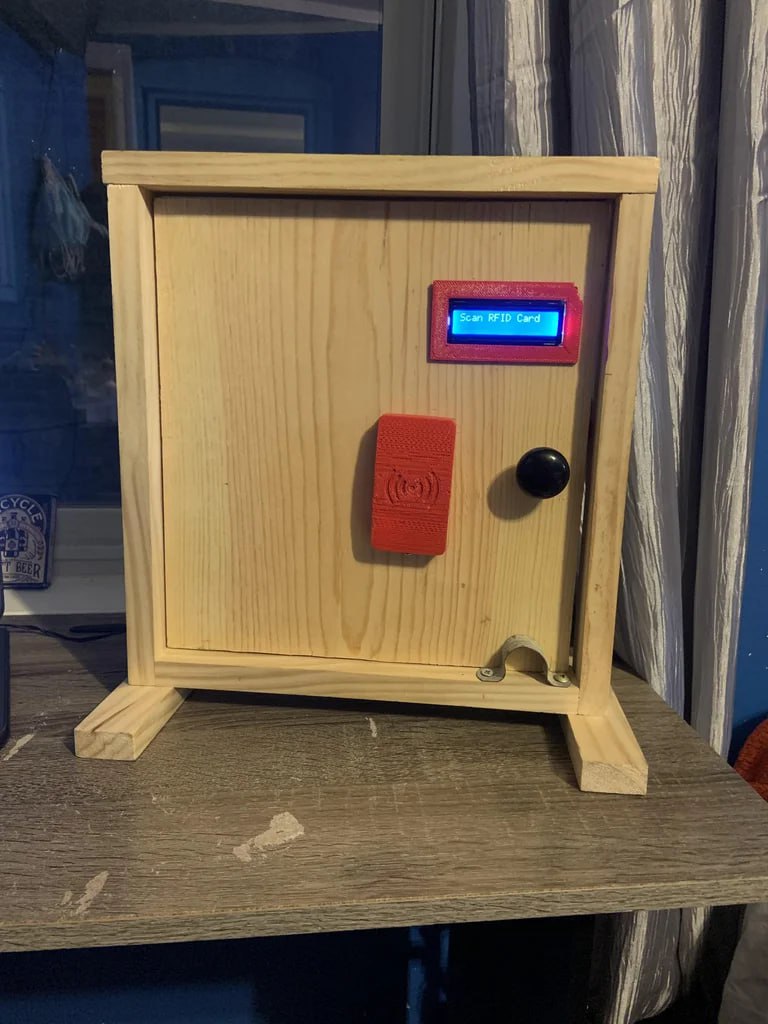
The RFID Light Control Project is a modern and innovative system designed to automate lighting control using Radio Frequency Identification (RFID) technology. The system allows lights to be switched ON or OFF automatically when an authorized RFID card or tag is scanned. By integrating an Arduino microcontroller, an MFRC522 RFID reader, and a relay module, this project provides a secure, convenient, and energy-efficient solution for controlling lighting in homes, offices, classrooms, and laboratories.
The main principle behind the system is simple but effective: when a user presents an RFID card, the reader detects its unique identifier (UID). The Arduino then compares the UID against a predefined whitelist of authorized users. If the card is authorized, the system toggles the light; otherwise, access is denied. This ensures controlled and secure access, preventing unauthorized use of the lighting system.
Objectives of the Project
Automated Light Control: Replace traditional manual switches with RFID-based access for ease and convenience.
Enhanced Security: Allow only authorized users to operate the lights, making it suitable for restricted areas or shared spaces.
Energy Efficiency: Minimize electricity wastage by ensuring lights are used only when needed.
Educational and Practical Learning: Provide a hands-on experience for students and enthusiasts to learn about Arduino programming, RFID systems, and relay-based electrical control.
Scalability and Future Expansion: Build a foundation that can be easily expanded to control multiple lights, integrate with smart home systems, or include features like user logging, timers, or remote monitoring via Wi-Fi or IoT.
Significance and Benefits
User-Friendly: Operates automatically with a simple card scan.
Cost-Effective: Uses readily available electronic components that are inexpensive and easy to program.
Flexible: Can be adapted for various environments, from small rooms to entire buildings.
Innovative Learning Tool: Helps students and hobbyists understand the practical applications of embedded systems, automation, and secure access control.
This project is an excellent demonstration of combining electronics, programming, and automation. It not only improves convenience and energy management but also provides a platform for innovation, allowing further enhancements such as OLED display integration, Wi-Fi logging, or timed lighting control.
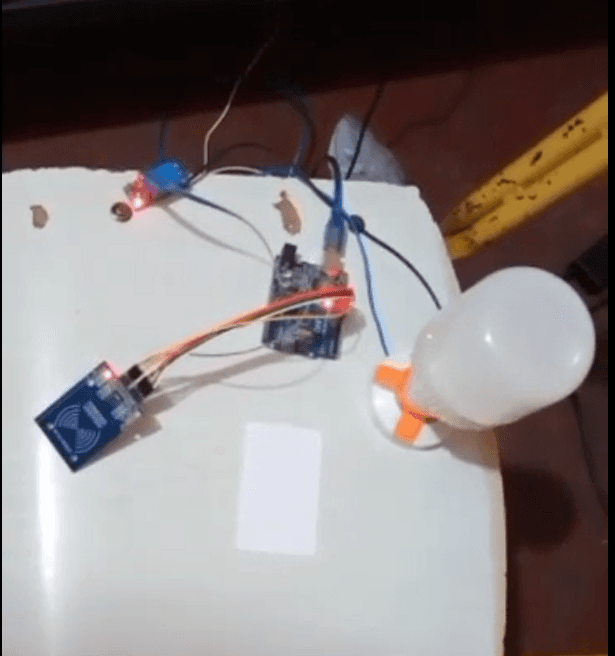
Components and System Overview
The RFID Light Control system is built using readily available electronic components, making it suitable for students, hobbyists, and anyone interested in automation and embedded systems. The system combines hardware and software to control lights automatically using RFID cards or tags, providing both convenience and security.
Key Components
Arduino Uno – Serves as the central controller, processing input from the RFID reader and controlling the relay.
MFRC522 RFID Reader – Detects the unique IDs of RFID cards or tags, allowing the Arduino to determine whether access is authorized.
Relay Module (5V) – Acts as a switch to turn the light ON or OFF, enabling safe control of electrical devices.
Lamp and Lamp Holder – Represents the load controlled by the system. Can be AC or low-voltage depending on the relay used.
Jumper Wires & Breadboard – Used for connections and prototyping.
Optional Components:
Buzzer – Indicates authorized or unauthorized access.
LEDs – Visual status indicators.
External Power Supply – Provides stable power for multiple peripherals or high-power relays.
System Functionality
The RFID Light Control system operates by reading the unique ID (UID) of an RFID card. When a card is scanned:
The system checks if the card is authorized.
If authorized, the system toggles the light ON or OFF.
If unauthorized, the system denies access and can optionally provide visual or audible feedback.
This setup provides a secure, user-friendly, and automated way to control lighting while also serving as a learning platform for electronics, programming, and automation.
Benefits of the System
User-Friendly Operation: Lights respond automatically to authorized cards.
Secure Access: Prevents unauthorized use of lighting systems.
Energy Efficiency: Ensures lights are used only when necessary.
Flexible and Expandable: Can be adapted for multiple lights, multiple users, or integrated into larger smart home systems.
Educational Value: Offers hands-on experience with Arduino, RFID technology, and relay-based control circuits.